Sustainable Weight Loss: Beyond the Scale - What Really Matters
Discover why focusing solely on the scale can sabotage your weight loss goals and learn healthier metrics for measuring progress

Sustainable Weight Loss: Beyond the Scale - What Really Matters
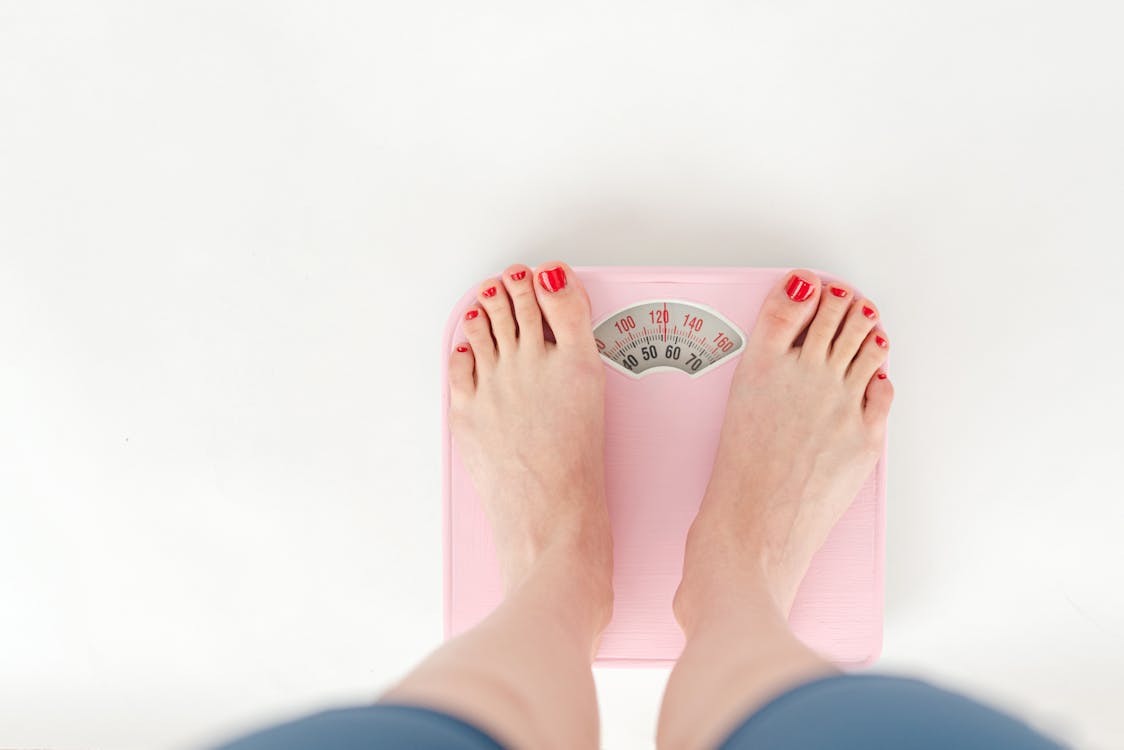
If you're on a weight loss journey—whether you're using GLP-1 medications or not—you've probably developed a complicated relationship with your bathroom scale. But here's the truth: the number on that scale tells only a small part of your health story, and focusing too heavily on it can actually sabotage your long-term success.
Why the Scale Can Be Misleading
Weight Fluctuates Daily
Your weight can vary by 2-5 pounds from day to day due to:
- Water retention
- Food still being digested
- Hormonal changes
- Salt intake
- Exercise timing
- Sleep quality
It Doesn't Distinguish Body Composition
The scale can't tell the difference between:
- Muscle gain and fat loss
- Water weight and actual fat
- Bone density changes
- Overall body composition improvements
It Ignores Health Improvements
The scale won't reflect:
- Better blood sugar control
- Improved energy levels
- Enhanced sleep quality
- Reduced inflammation
- Better cardiovascular health
Better Ways to Measure Progress
Instead of obsessing over the scale, focus on these more meaningful indicators of health improvement:
1. Energy Levels and Sleep Quality
Track:
- How energetic do you feel throughout the day?
- Are you sleeping better and waking up refreshed?
- Can you exercise longer or with more intensity?
- Do you need less caffeine to function?
Why It Matters: Improved energy and sleep often indicate better metabolic health, which is a primary goal of weight management.
2. Physical Measurements and Fit
Better Metrics:
- Waist circumference (health risk indicator)
- How your clothes fit
- Progress photos from multiple angles
- Body fat percentage (if available)
Pro Tip: Take measurements monthly, not daily. Changes in body composition happen gradually.
3. Health Markers and Labs
Important Indicators:
- Blood pressure
- Blood sugar levels (HbA1c, fasting glucose)
- Cholesterol levels
- Inflammatory markers
- Resting heart rate
For GLP-1 Users: These medications often improve these markers even before significant weight loss occurs.
4. Functional Improvements
Ask Yourself:
- Can you climb stairs without getting winded?
- Do your joints feel better?
- Is your mood more stable?
- Are you more confident in social situations?
- Can you play with your kids/grandkids more easily?
5. Relationship with Food
Positive Changes:
- Less obsessive thoughts about food
- Better hunger and fullness cues
- Reduced emotional eating
- More enjoyment of meals without guilt
- Better portion control naturally
Creating Sustainable Habits
Focus on Process, Not Outcomes
Instead of "I need to lose 2 pounds this week," try:
- "I'll prepare healthy meals 5 days this week"
- "I'll take a 20-minute walk daily"
- "I'll prioritize 7-8 hours of sleep"
- "I'll drink water before each meal"
Build Systems, Not Just Goals
Example System for Nutrition:
- Plan meals on Sundays
- Keep healthy snacks readily available
- Use smaller plates
- Eat slowly and mindfully
- Stop eating when satisfied, not full
Example System for Movement:
- Schedule exercise like appointments
- Find activities you genuinely enjoy
- Start with 10-15 minutes daily
- Use stairs instead of elevators
- Park farther away when possible
Practice Self-Compassion
Remember:
- Progress isn't always linear
- Small setbacks don't erase previous progress
- Perfectionism often leads to giving up
- Sustainable change takes time
- You're changing lifelong habits
The Role of GLP-1 Medications in This Approach
If you're using GLP-1 medications, they can support this holistic approach by:
Reducing Food Noise
- Less obsessive thinking about food
- Better ability to recognize true hunger
- Easier to make rational food choices
Supporting Gradual Changes
- Slower, more sustainable weight loss
- Time to build healthy habits
- Reduced urgency and pressure
Improving Health Markers
- Better blood sugar control regardless of weight loss
- Potential cardiovascular benefits
- Improved insulin sensitivity
Practical Tips for Success
Weekly Check-Ins Instead of Daily Weigh-Ins
- Choose one day and time each week
- Focus on trends over time, not individual readings
- Record other metrics alongside weight
Create a Victory Journal
Document non-scale victories like:
- "Walked for 30 minutes without knee pain"
- "Chose a salad because I wanted it, not because I 'should'"
- "Had energy to play with the kids after work"
- "Slept through the night for the first time in months"
Build a Support System
- Find people who understand your goals
- Share your non-scale victories
- Ask for encouragement during difficult times
- Consider working with healthcare professionals who support this approach
When to Reassess
While focusing beyond the scale is important, you should reassess your approach if:
- You're not seeing any positive changes in any metric for 2-3 months
- Your health markers are worsening
- You're experiencing concerning symptoms
- Your quality of life isn't improving
The Bottom Line
Sustainable weight loss and health improvement is about so much more than the number on your scale. By focusing on energy levels, health markers, functional improvements, and your relationship with food, you're building a foundation for lasting change.
Whether you're using GLP-1 medications or pursuing weight management through other means, remember that the goal isn't just to weigh less—it's to feel better, move better, and live better.
Your scale might not always reflect your progress, but your body will tell the real story through improved energy, better sleep, enhanced mood, and a greater sense of overall well-being. Trust the process, celebrate small victories, and remember that the most meaningful changes often can't be measured in pounds.
This information is for educational purposes only and should not replace professional medical advice. Always consult with your healthcare provider about your weight management goals and strategies.